Astro Information

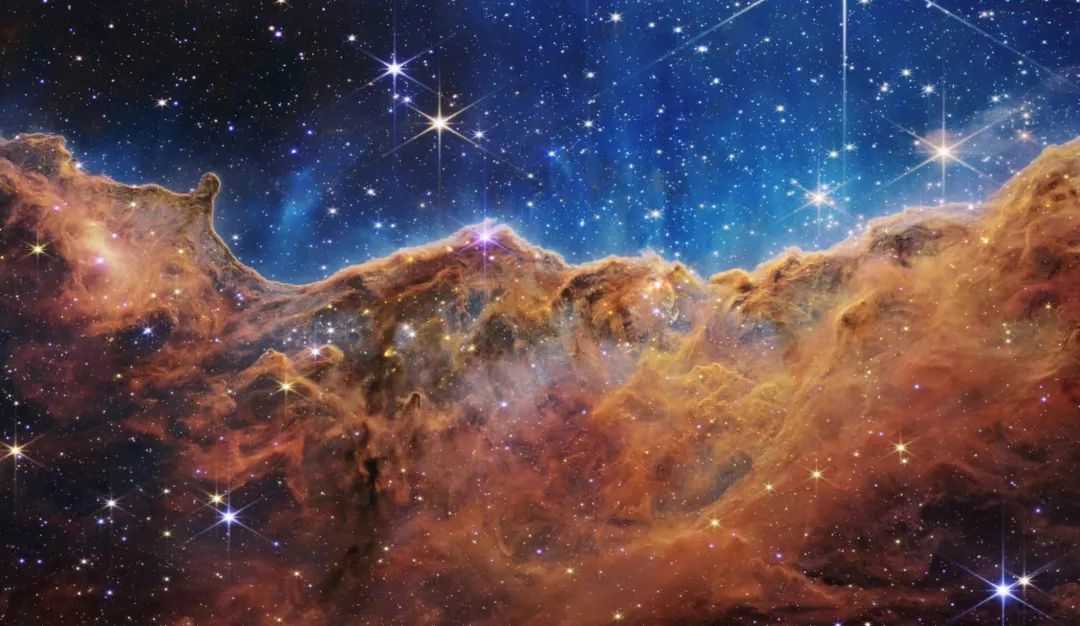
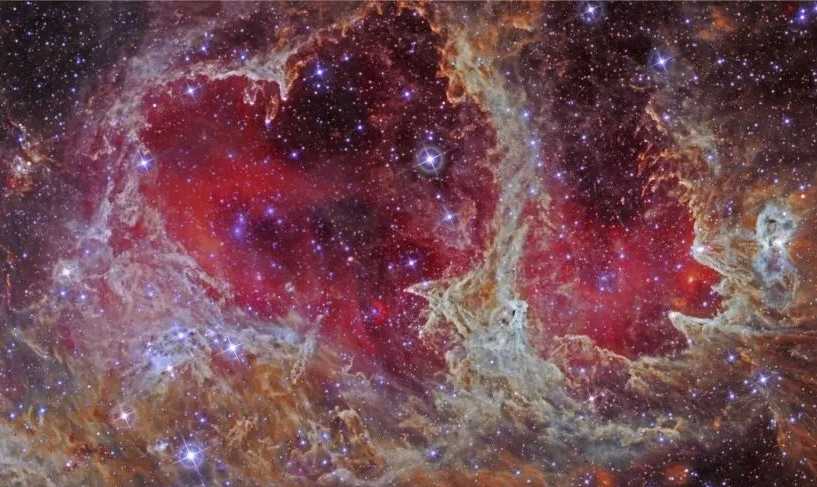
The Carina Nebula (NGC 3372) and NGC 3324: A Southern Sky Stellar Nursery

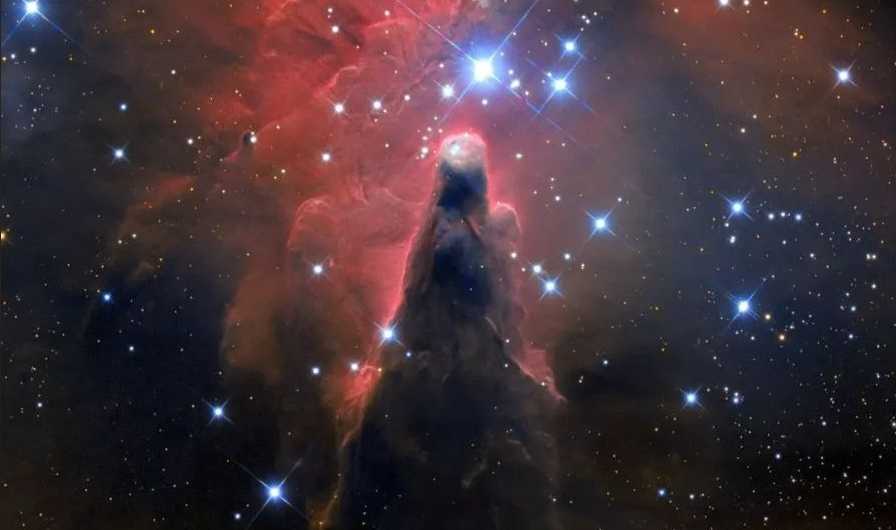
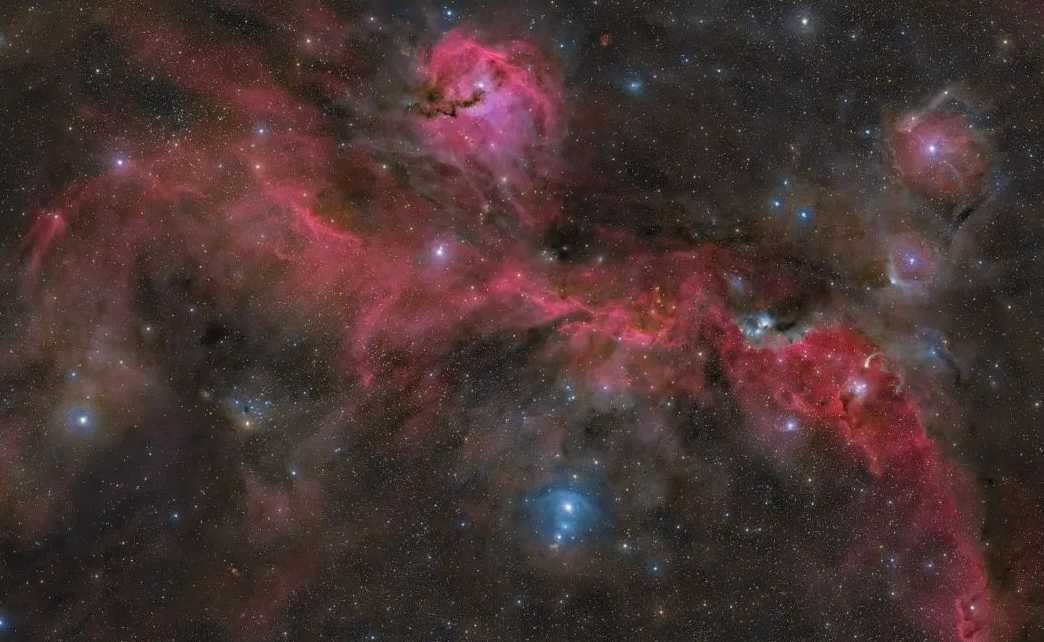
The Carina Nebula, officially cataloged as NGC 3372, is one of the Milky Way’s most spectacular nebulae, located ~7,500 light-years away in the southern constellation Carina. Visible to the naked eye from the Southern Hemisphere, it spans over 200 light-years and serves as a cosmic theater for massive star birth and evolution. NGC 3324, a prominent substructure in its northwestern corner, was first documented by astronomer James Dunlop in 1826.

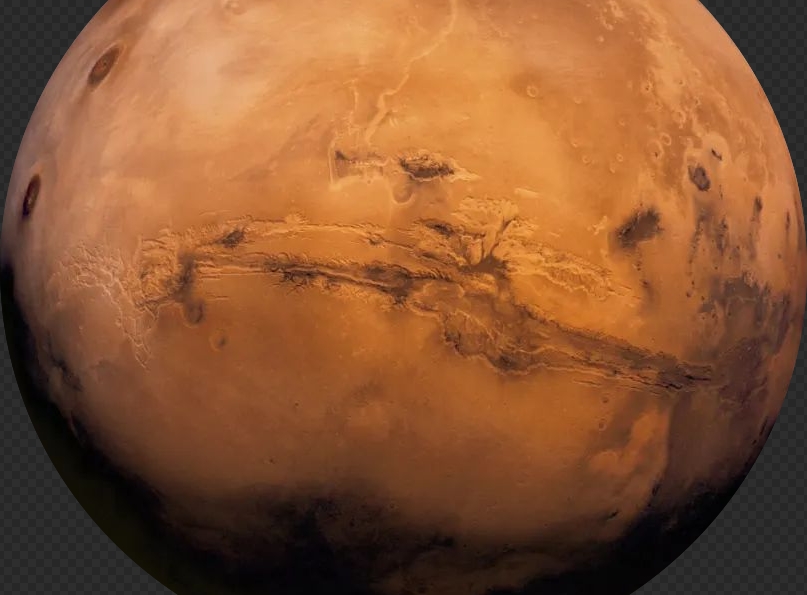
Mars' Magnetic Remnants: The Lost Shield and Its Cosmic Consequences

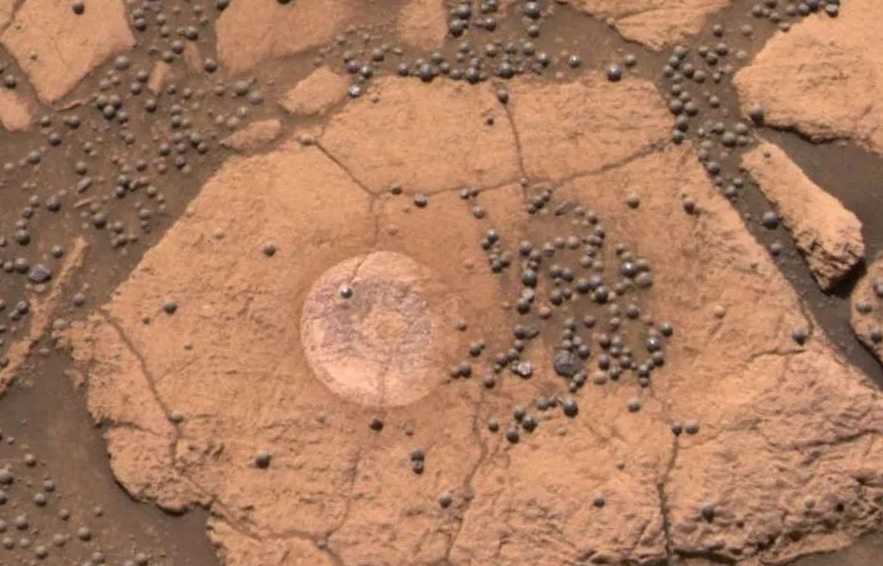
Mars, once a potentially habitable world, now bears only the faint traces of a once-mighty magnetic field. Unlike Earth’s global magnetic shield, Mars’ ancient dynamo shut down billions of years ago, leaving behind patchy magnetic anomalies—silent witnesses to a pivotal event that reshaped the planet’s environment. How did Mars lose its magnetic field, and what does this mean for its habitability?

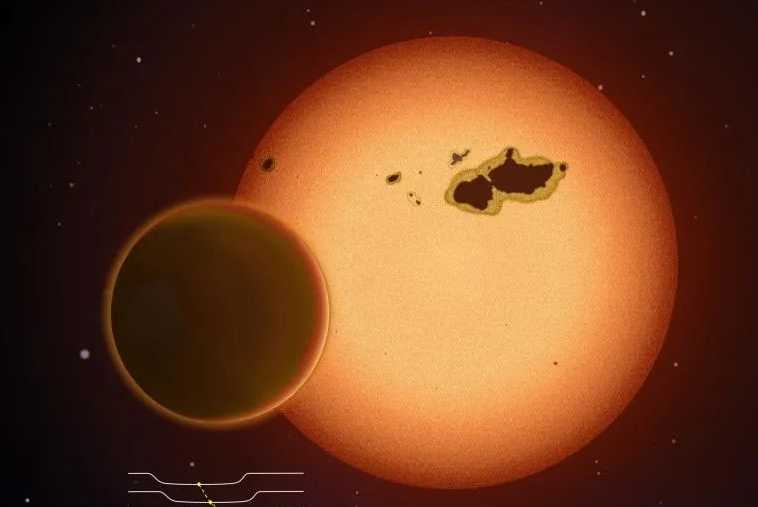
Chinese-led Team Uncovers 'Super-Earth' in Habitable Zone of Sun-like Star Using Novel TTV Technique

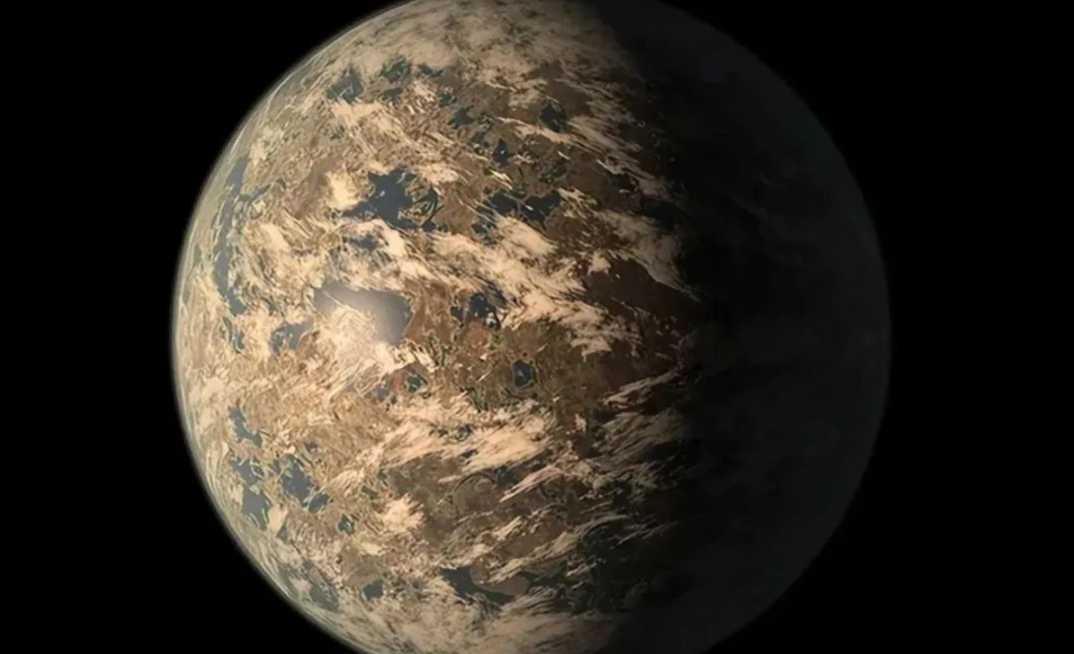
A Sino-German research team led by the Yunnan Observatory of the Chinese Academy of Sciences has discovered a "super-Earth" orbiting a Sun-like star, marking a breakthrough in exoplanet detection. Named Kepler-725c, the planet has a mass 10 times that of Earth and resides in the habitable zone of its host star, where liquid water—and potentially life—could exist. The findings, published June 3 in Nature Astronomy, represent the first use of transit timing variation (TTV) inversion to identify such a planet in a Sun-like star’s habitable zone .

Stellar Nurseries and Cosmic Collisions: Webb and Rubin Telescopes Unveil Galactic Secrets

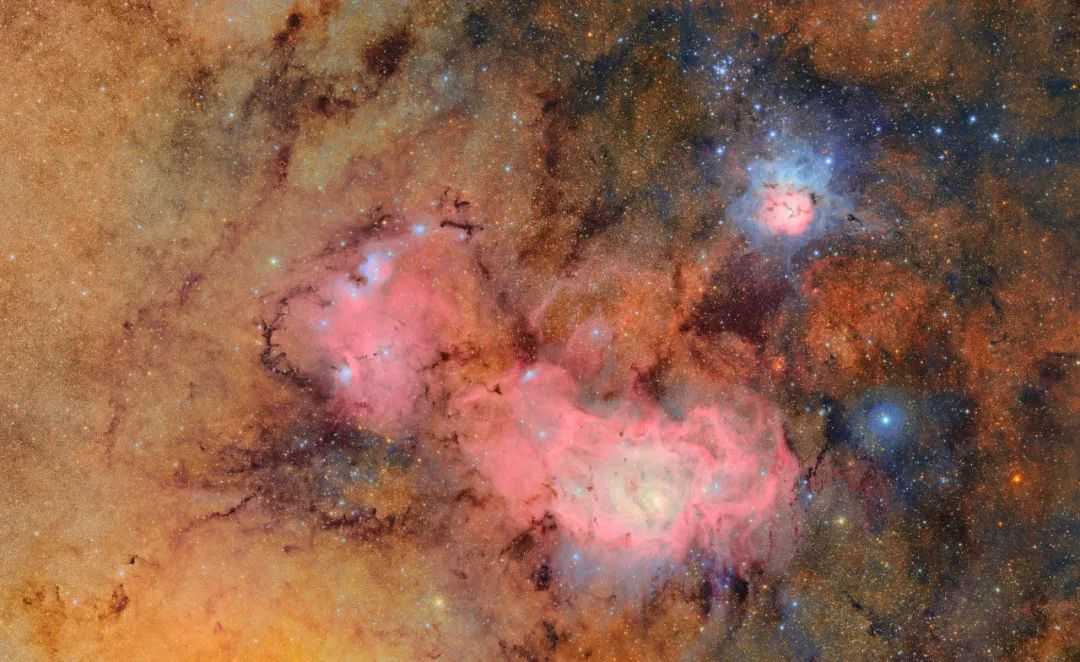
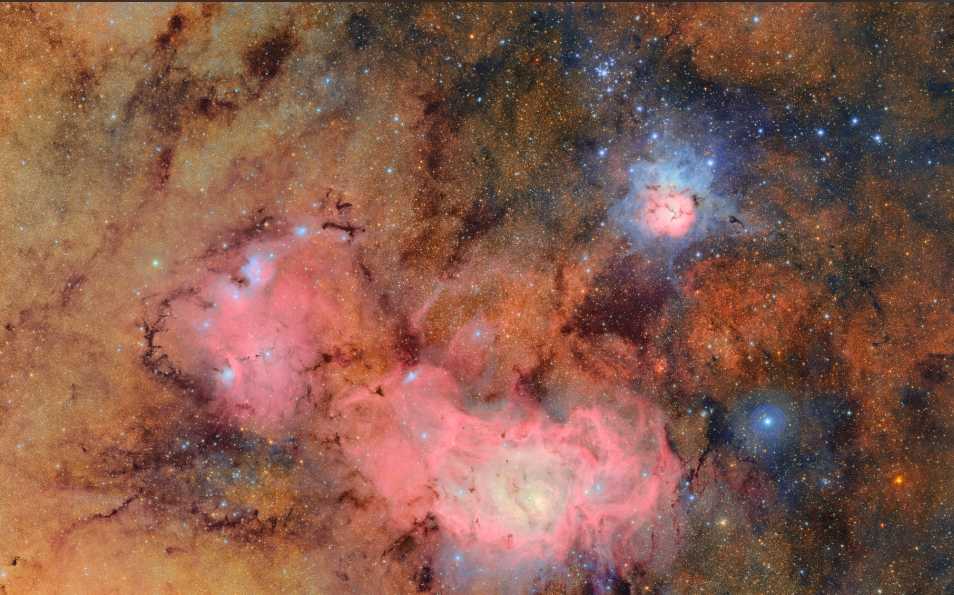
Astronomers have unveiled two groundbreaking images capturing the dynamic interplay of star formation and galaxy evolution. The first, a composite of the Trifid and Lagoon Nebulae, combines 678 individual exposures taken over just seven hours by the Vera C. Rubin Observatory’s 3.2-billion-pixel camera. This unprecedented resolution reveals intricate gas and dust structures in these stellar nurseries, where new stars are born from collapsing molecular clouds.

Stevenson 2-18: The Cosmic 'Puffball' Star That Could Swallow Saturn

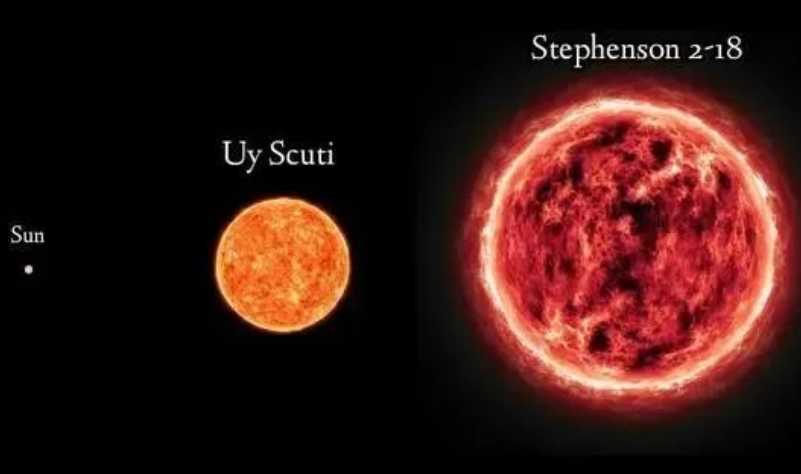
Meet Stevenson 2-18, a star so colossal it’s earned the title of the universe’s "flabby giant." With a radius of 1.5 billion kilometers, this red supergiant would engulf Saturn if placed at the Sun’s position. Despite its eye-popping size, it packs only 15–20 times the Sun’s mass—making it a celestial "balloon" on the brink of a spectacular supernova explosion.

Vera C. Rubin Observatory Reveals Breathtaking Sagittarius Starfield Near Galactic Core

The Vera C. Rubin Observatory, a joint project of the NSF and DOE, has released one of its first images: a 4-degree-wide starfield spanning Sagittarius, showcasing the crowded stellar backdrop toward the Milky Way’s core. The snapshot captures iconic nebulae and clusters, including Messier 8 (the Lagoon Nebula) and Messier 20 (the Trifid Nebula), in stunning detail.

Does a Spiral Galaxy Hide a Mini-Spiral in Its Core? M61 Reveals Cosmic Nesting Dolls

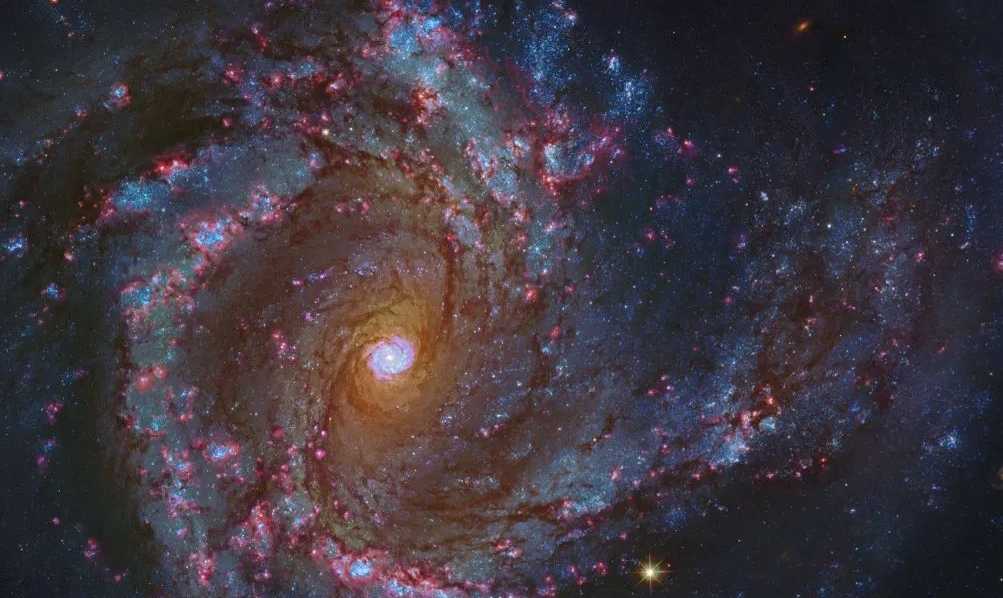
The spiral galaxy Messier 61 (M61) defies expectations with a surprising feature: a swirling "mini-spiral" structure at its core. This composite image—combining data from the Hubble Space Telescope, ESO’s Very Large Telescope, and ground-based observatories—shows M61’s grand spiral arms and a vibrant core that resembles a standalone spiral galaxy. Located 55 million light-years away in the Virgo Cluster, this barred spiral (NGC 4303) exemplifies how galactic cores can host intricate substructures mirroring their larger forms.

The Real Rosette Nebula: Unveiling Cosmic Petals in Monoceros

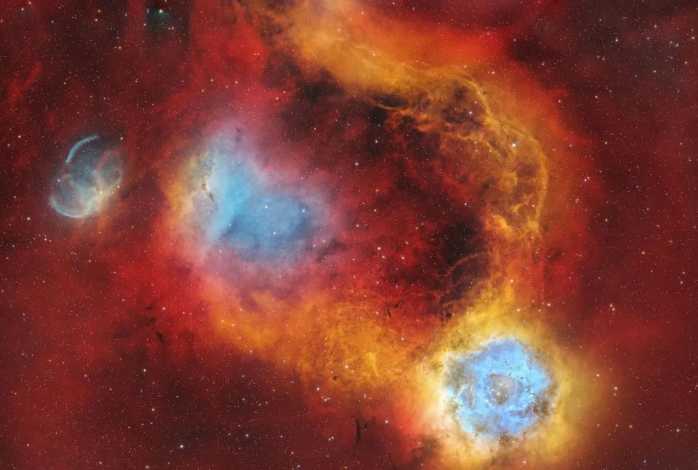
Is that red petal-like cloud the Rosette Nebula? The famous Rosette Nebula actually lies in the lower-right of this image, appearing blue-white and connected by golden filaments to other nebulae. The central upper "petals" are a visual mimic—true cosmic blooms reveal themselves in this deep-sky close-up, where infrared red exposures unlock hidden floral structures around NGC 2237.

Pages