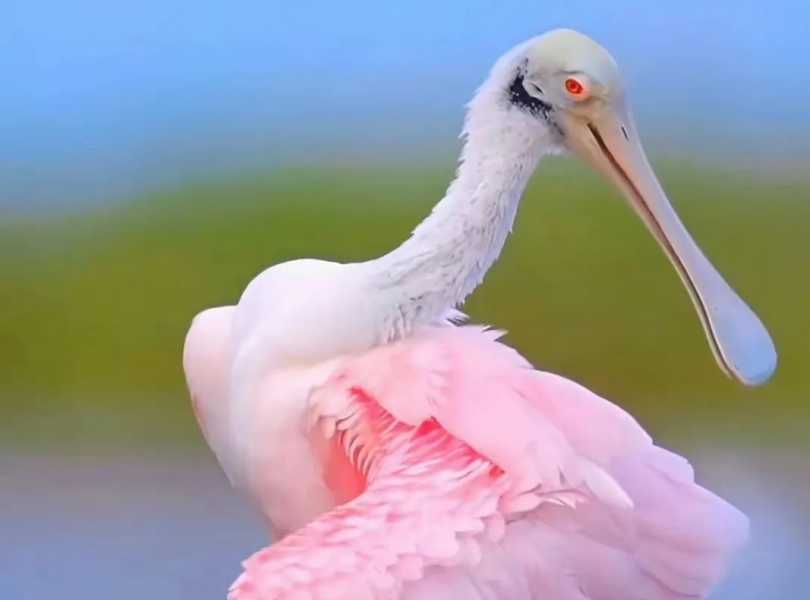
Brown - Breasted Recurvirostra: A Wading Wonder in the Wetlands

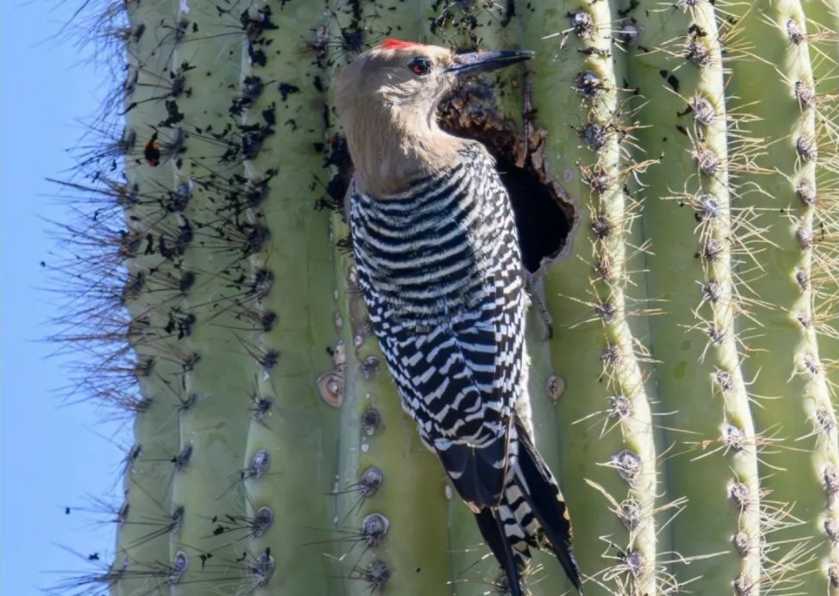
The brown - breasted recurvirostra, a unique and elegant wading bird, captivates with its distinctive appearance. Sporting a brownish - hued breast that contrasts sharply with its white underparts and sleek, long - winged body, this species is a remarkable sight in the wetlands it inhabits. Its long, thin, upturned bill is a signature feature, perfectly adapted for its foraging habits.

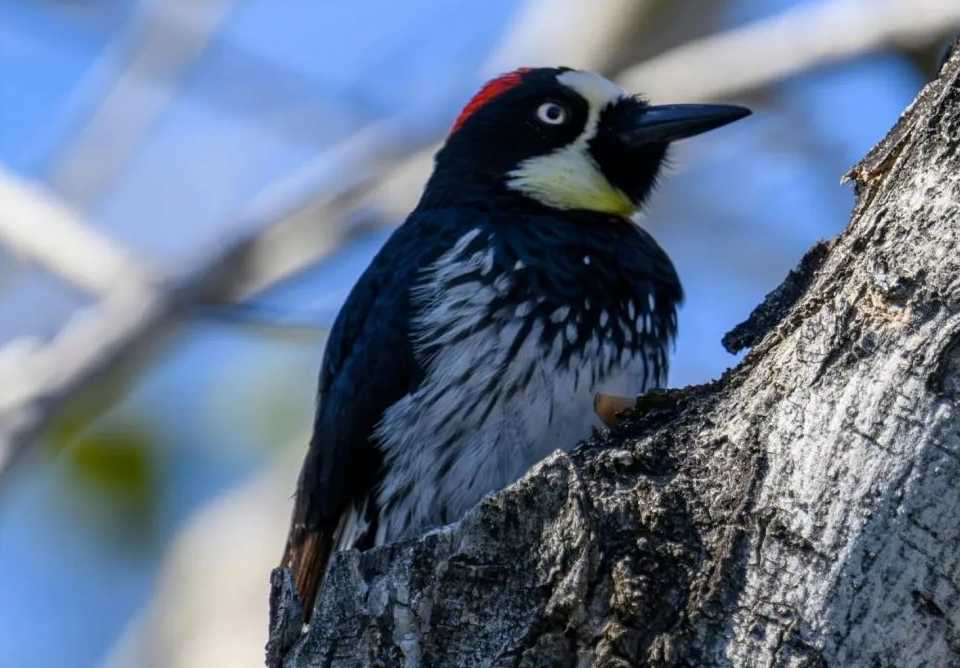
The Northern Pygmy-Owl: Deceptive 'Eyes' on Its Back

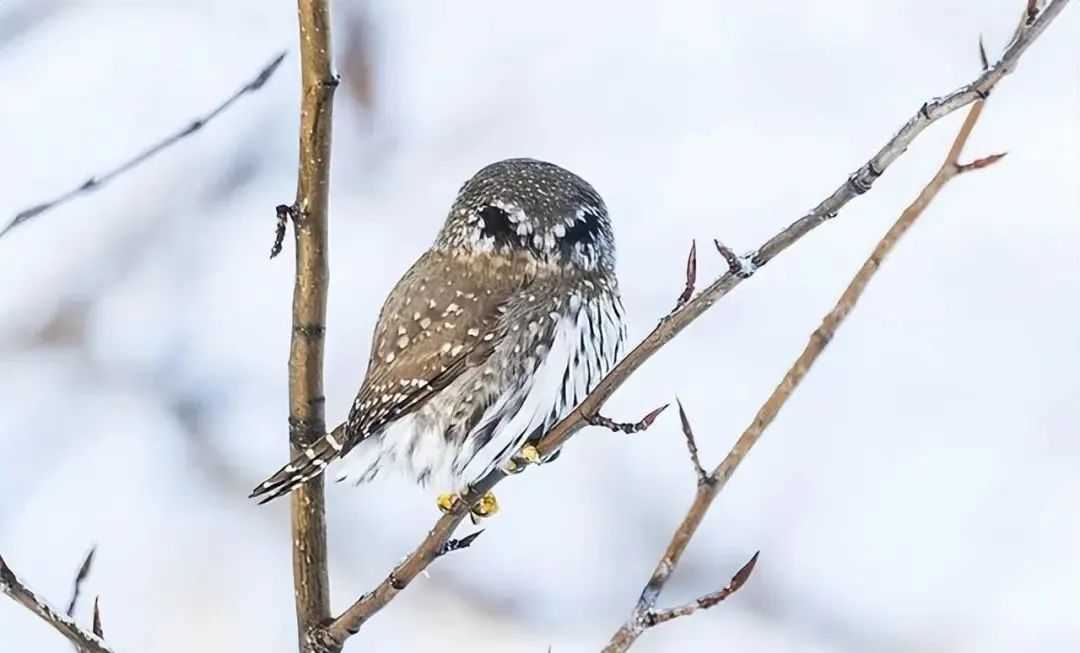
The Northern pygmy-owl (Glaucidium gnoma), a diminutive raptor native to North America’s coniferous forests, employs a fascinating evolutionary trick: conspicuous "eye spots" on the back of its head, designed to deceive predators and potential threats. These false eyes, formed by concentric circles of dark and light feathers, create the illusion that the owl is constantly watching, even when it turns its back.

Ramphastos brevis: The Chocó Toucan of Northwestern South American Rainforests

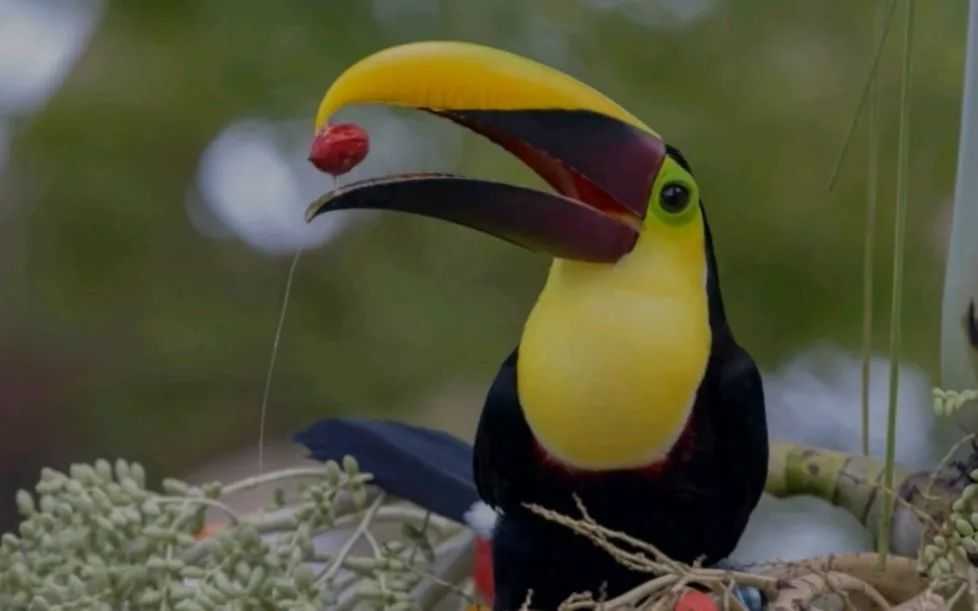
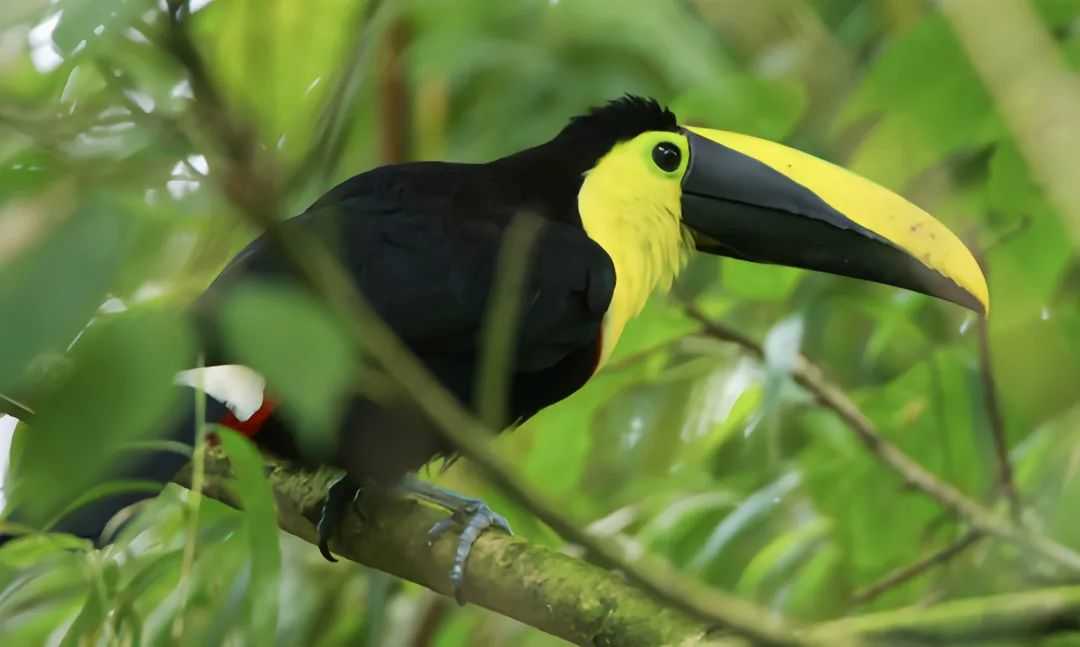
Ramphastos brevis, commonly known as the Chocó toucan, is a captivating medium-sized bird endemic to the lush rainforests of northwestern South America. Renowned for its striking plumage and social behavior, this species plays a vital role in the intricate ecosystems of its native habitat, where it thrives amidst dense foliage and towering trees.

Xenus cinereus: The Agile Migrant Connecting East Asia and Australia

Xenus cinereus, commonly known as the upturned-bill sandpiper, is a remarkable medium-sized wading bird that undertakes an impressive migratory journey between East Asia and Australia. Renowned for its unique foraging adaptations and ecological role, this species is a vital component of the coastal and wetland ecosystems it traverses during its annual migrations.

Pages