Exotic Birds

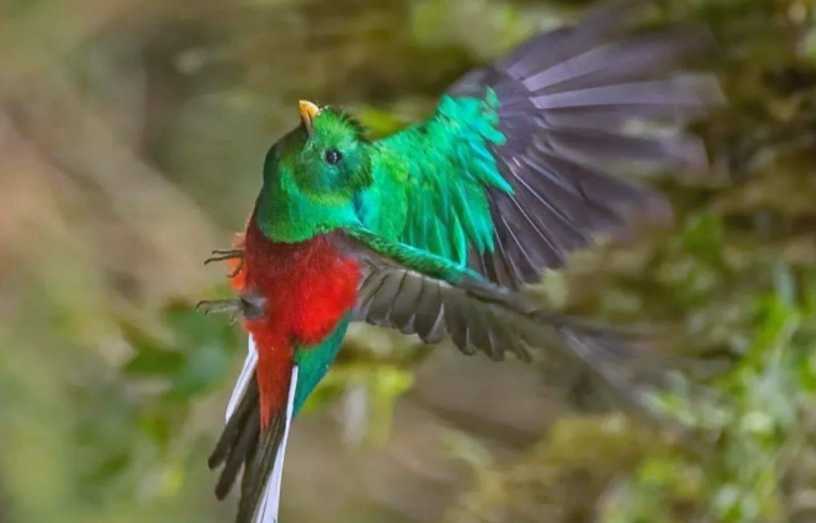
The Resplendent Quetzal: Mesoamerica’s Emerald Avian Deity and Symbol of Freedom

Scientifically named Pharomachrus mocinno, this trogon is endemic to Central American rainforests, measuring 35 cm in length and feasting on insects and fruits. Its cultural significance rivals its biological splendor: in ancient Maya civilization, it was revered as the incarnation of the feathered serpent god Quetzalcoatl, with its emerald plumage reserved exclusively for royalty. Today, it serves as Guatemala’s national bird, embodying freedom and divinity.

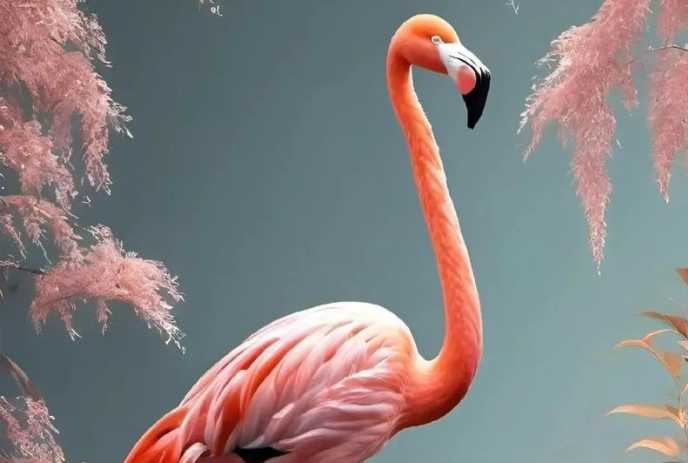
The Flamingo: Nature’s Pink Ballet Dancers and Solar Symbols

Scientifically classified under Phoenicopteridae, flamingos are majestic wading birds spanning 1–2 meters in length, comprising 3 genera and 6 species. Inhabiting salt lakes and marshy shallows across Africa, South America, and India, these social birds form massive flocks, feasting on algae and shrimp. Revered by the ancient Greeks as incarnations of Apollo, the sun god, their elegance has captivated human imagination for millennia.

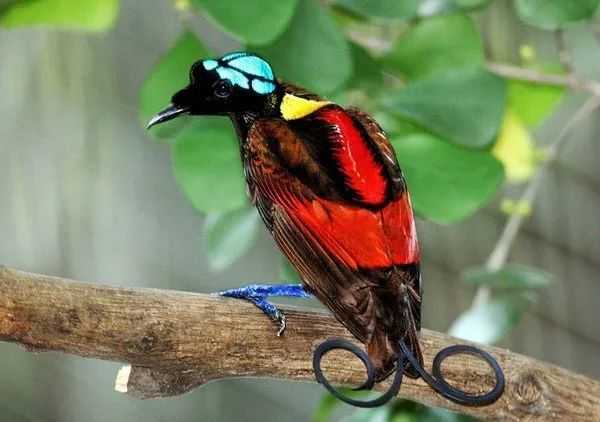
Wilson's Bird-of-Paradise: New Guinea’s Living Masterpiece of Avian Artistry

Scientifically named Diphyllodes respublica, this diminutive bird-of-paradise inhabits New Guinea’s rainforests, measuring around 20 cm and feasting on fruits and insects. Hailed as one of the world’s most beautiful birds, its compact form is a canvas of nature’s boldest palette: emerald green, sunshine yellow, jet black, snow white, and vivid blue, seamlessly blended in an evolutionary tour de force.

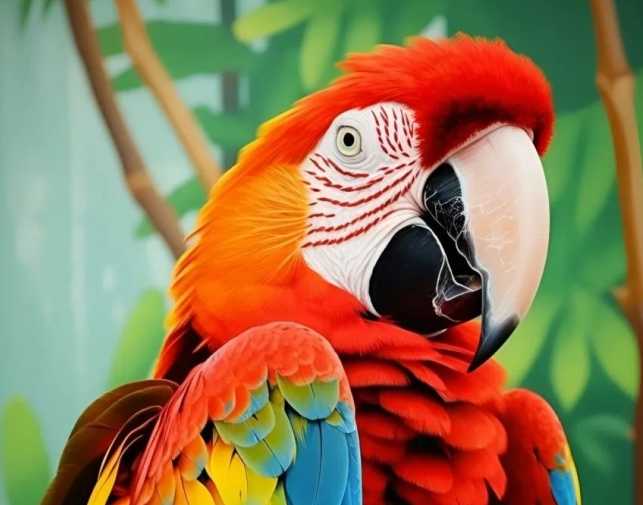
The Scarlet Macaw: South America’s Living Palette and Darwin’s 'Divine Color Explosion'

Scientifically named Ara macao, this majestic parrot dominates South America’s rainforests, stretching 85 cm in length and feasting on nuts and fruits. Charles Darwin himself famously described it as "nature’s palette spilled across the avian world"—a fitting tribute to its jaw-dropping plumage: a cobalt-blue head and wings, golden-yellow neck ring, emerald-green back, and scarlet tail feathers. The resulting color clash is so vivid that in flight, it resembles a rainbow in motion, with each wingbeat flashing a spectrum of primary hues.

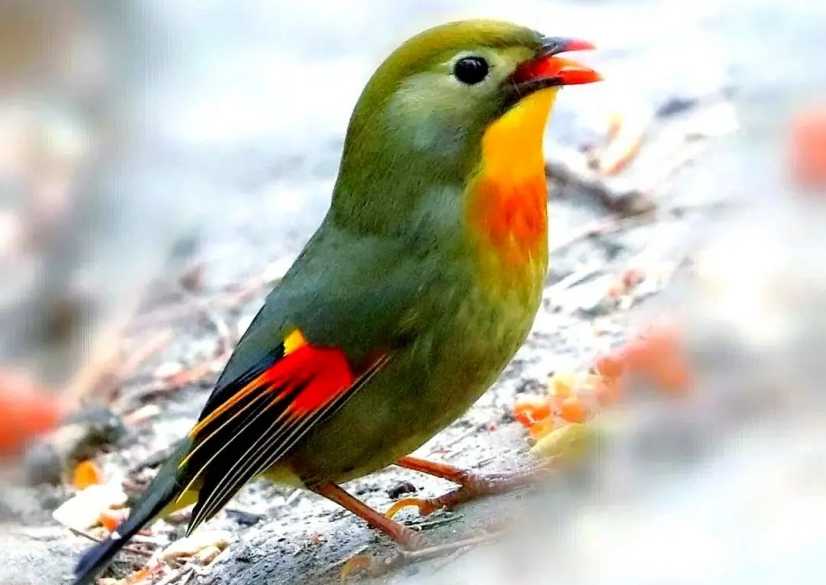
The Red-billed Leiothrix: China’s Enchanting 'Lovebird' and Melodious Songster

Scientifically named Leiothrix lutea, this 15-cm songbird is a common sight in southern China, feasting on insects and berries. Renowned as the "lovebird," it’s cherished for its monogamous nature—pairs remain inseparable, symbolizing unwavering love in Chinese culture. Often depicted in traditional ink wash paintings, their paired silhouettes adorn scrolls alongside peach blossoms, while their clear, flute-like calls have earned them the title "Chinese Nightingale."

Climbing Birds: Masters of Arboreal Life

Climbing birds, a fascinating group of avian species, have evolved to dominate forest ecosystems, spending most of their lives navigating tree canopies and rarely descending to the ground. These specialized creatures have adapted to a diet centered on insects and larvae hidden within tree bark, making them crucial contributors to forest health by controlling pest populations.

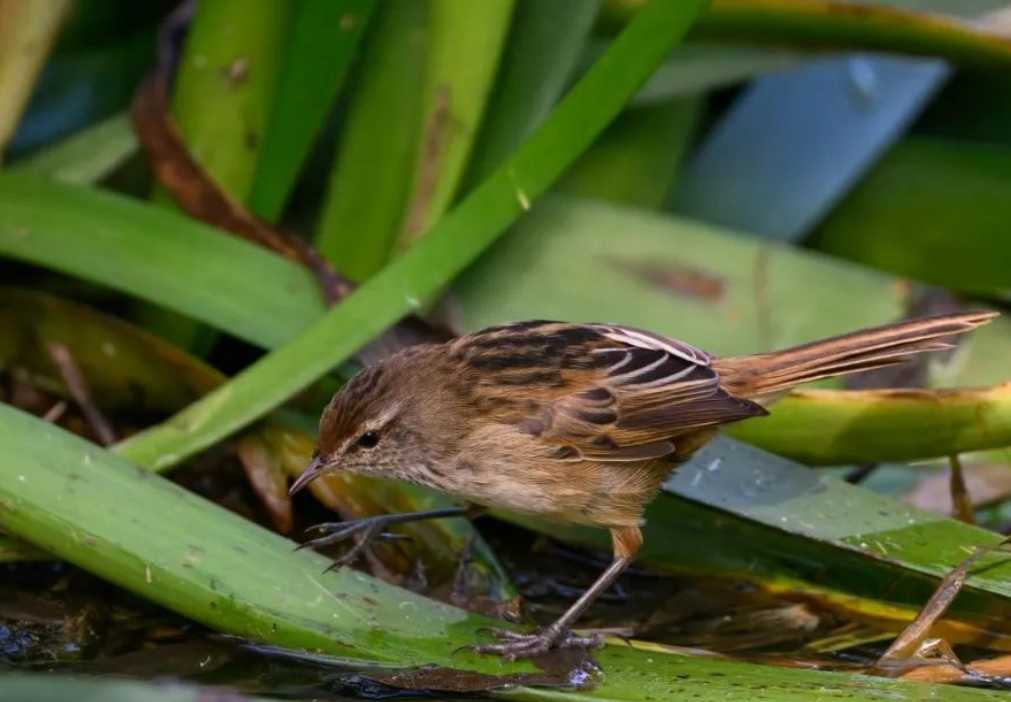
The Elusive Pygmy Grassbird: A Tiny Wonder of Wetland Ecosystems

The Pygmy Grassbird (Graminicola griseus), a small yet intriguing avian species, has long captivated ornithologists with its secretive nature and unique adaptations to wetland habitats. Found in the dense reed beds and marshy areas of Southeast Asia and parts of South Asia, this diminutive bird is a master of camouflage, making it a challenging yet rewarding sighting for birdwatchers.

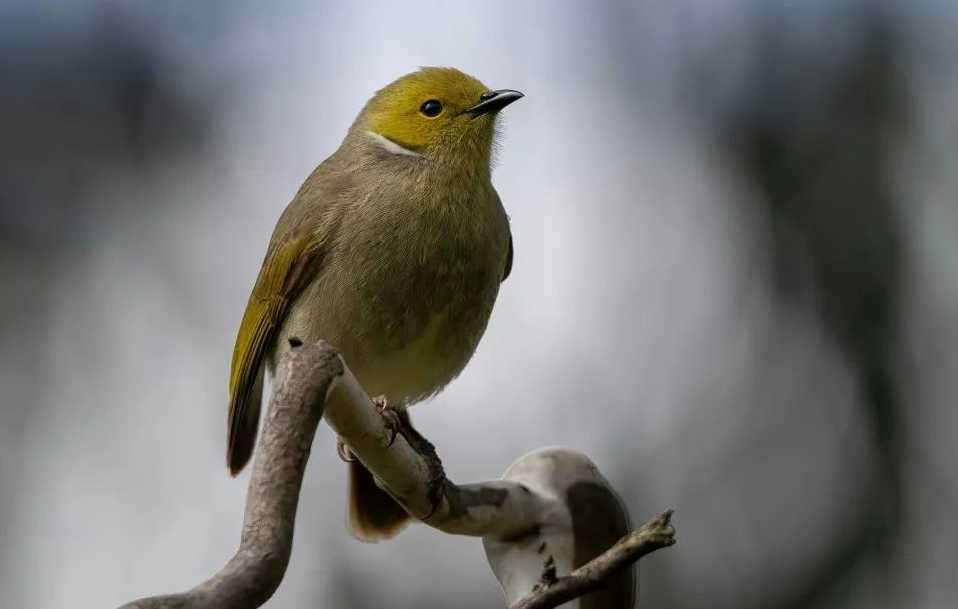
The Enchanting White-naped Honeyeater: A Jewel of Australasian Forests

The White-naped Honeyeater (Melithreptus lunatus), a vibrant and agile bird native to Australasia, charms observers with its striking plumage and vital role in forest ecosystems. Found in the lush woodlands and eucalyptus forests of Australia and New Guinea, this species is a testament to the rich diversity of honeyeater birds, renowned for their specialized nectar-feeding habits.

Pages