Insect Close-up

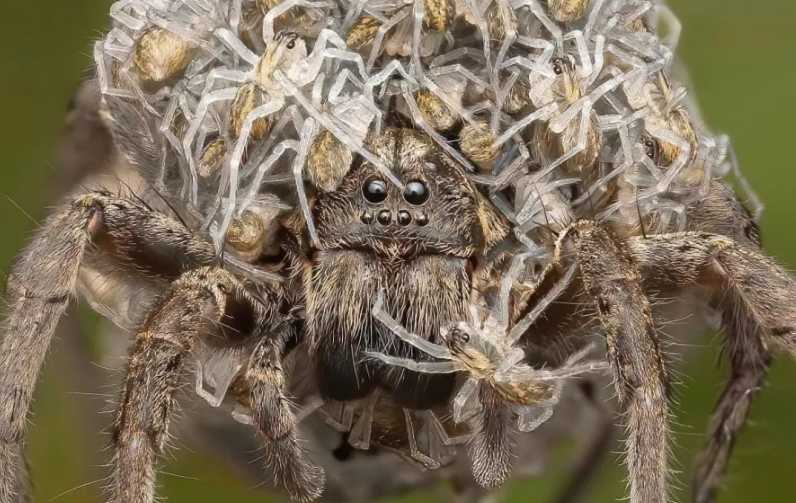
Wolf Spiders and Their Young: Nature’s Dedicated Mothers

Wolf spiders (Lycosidae) embody maternal dedication in the arachnid world, carrying their offspring with them in a manner that underscores the sacrifices of parenthood in the wild. Females of these ground-dwelling spiders spin silk egg sacs containing hundreds of eggs, which they attach to their spinnerets, literally towing the sac behind them as they hunt and move. This behavior ensures the eggs remain protected and oxygenated, a critical investment in their survival.

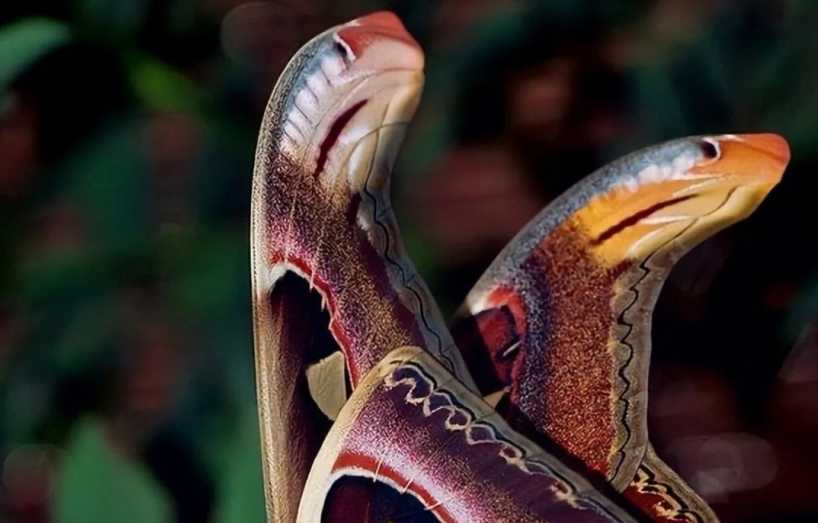
The Atlas Moth: Wings That Mimic Two Snake Heads

In the tropical forests of Asia, the Atlas moth (Attacus atlas) astounds with its massive wingspan—reaching up to 25 centimeters, roughly the size of an adult human palm. Yet its most remarkable trait lies in the dramatic patterns on its hindwings: two eye-like spots and serpentine shapes that uncannily resemble a pair of snake heads, a masterful evolutionary trick to deter predators.

The Lace Bug: Nature's Living Stained Glass Masterpiece

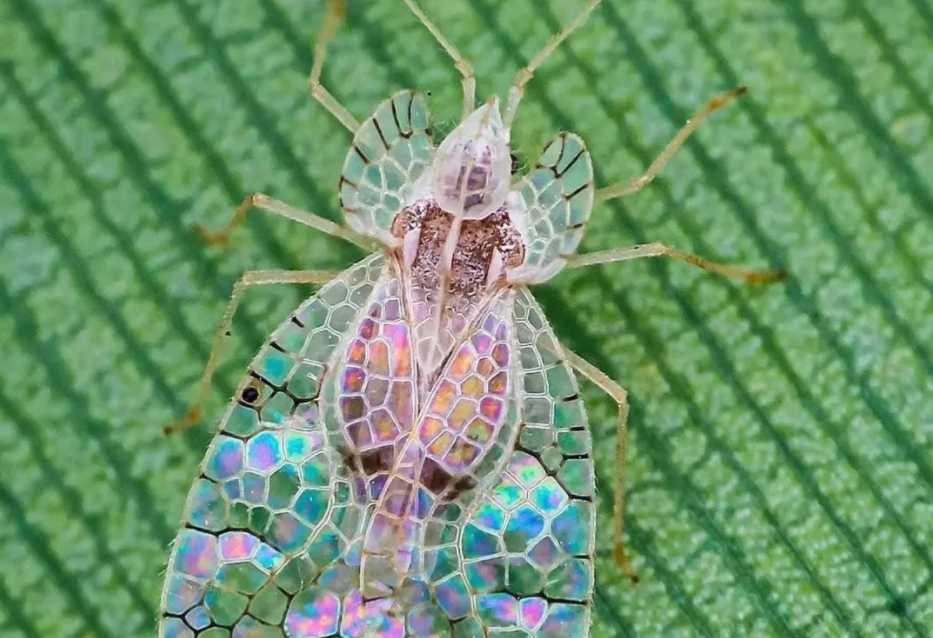
In the realm of tiny arthropods, lace bugs (family Tingidae) stand out as living works of art, their bodies resembling intricate stained glass windows crafted from iridescent, lace-like exoskeletons. These minuscule insects, typically measuring 2–7 mm, adorn leaves in tropical and temperate regions, their translucent wings and thoraces patterned with geometric grids, spikes, and ornate reticulations that shimmer in the light.

The Rainbow Grasshopper: A Vibrant Jewel of North America's Arid Plains

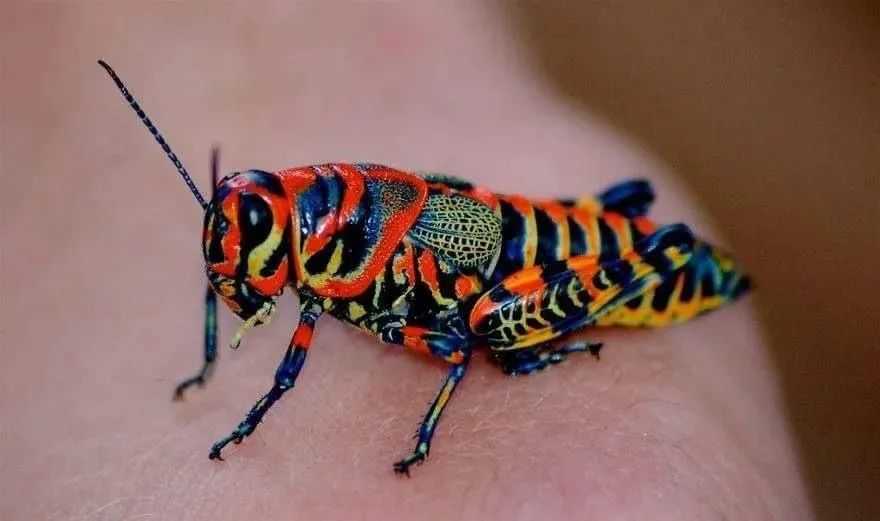
Native to the arid grasslands and sparse shortgrass habitats of North America, the rainbow grasshopper (Dactylotum bicolor) dazzles with its striking array of hues, defying the muted tones of its dry, sun-baked environment. This medium-sized orthopteran, also known as the painted grasshopper, showcases a vivid palette of red, orange, yellow, blue, and purple on its abdomen, legs, and wings, making it one of the most colorful insects in the region.

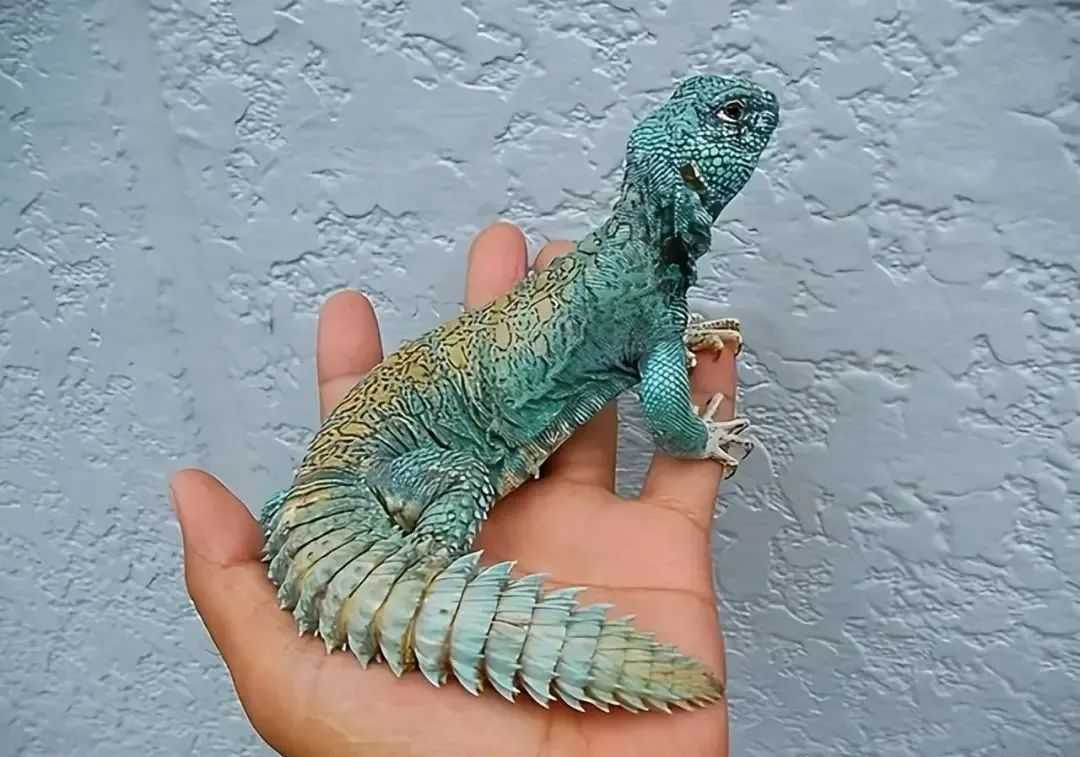
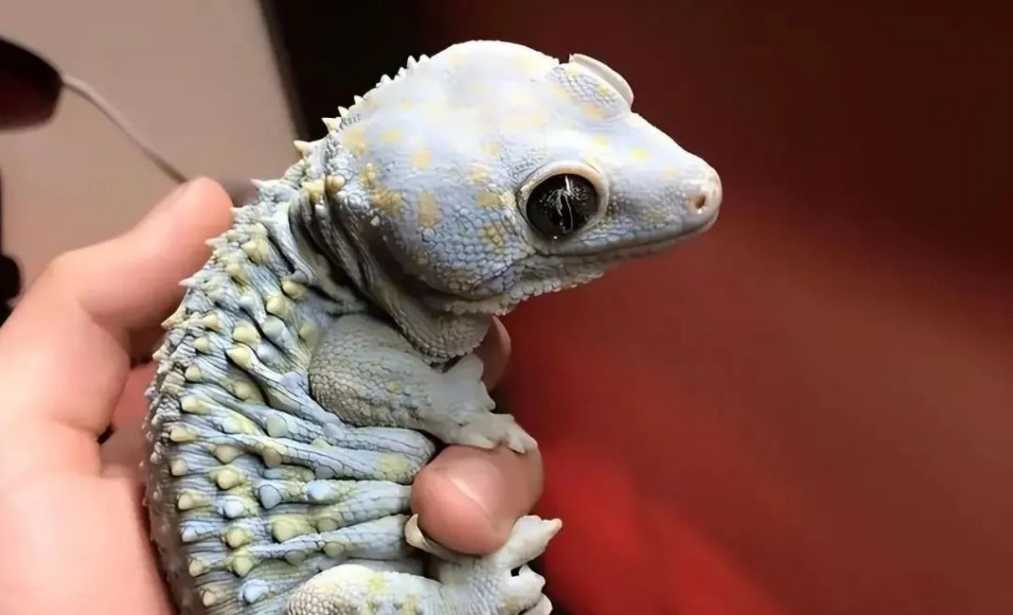
The "blue Arabian lizard" might refer to several species. Here are two possible candidates:

Uromastyx thomasi: Also known as the Oman spiny - tailed lizard, it belongs to the Uromastyx genus. It mainly inhabits the arid and semi - arid regions of the Arabian Peninsula, specifically in Oman. This lizard has two basic color schemes, blue and green, along with gray, pink, and other interesting hues. Its back is patterned with red stripes along the spine and large black spots. It has a stocky build, with strong limbs and claws adapted for digging in the rocky desert terrain. Despite its small size, it is a robust species.

The Beech Tree That Mysteriously Grew to Resemble a Giant Human Form

Deep in the heart of Bulgaria’s Balkan Mountains, a beech tree has astonished locals and visitors alike with its uncanny resemblance to a giant human figure. The tree, located in a remote forest region, appears to have formed natural "limbs," a "chest," and even a "head" that mimic the proportions of a human body, sparking wonder and speculation about its extraordinary shape.

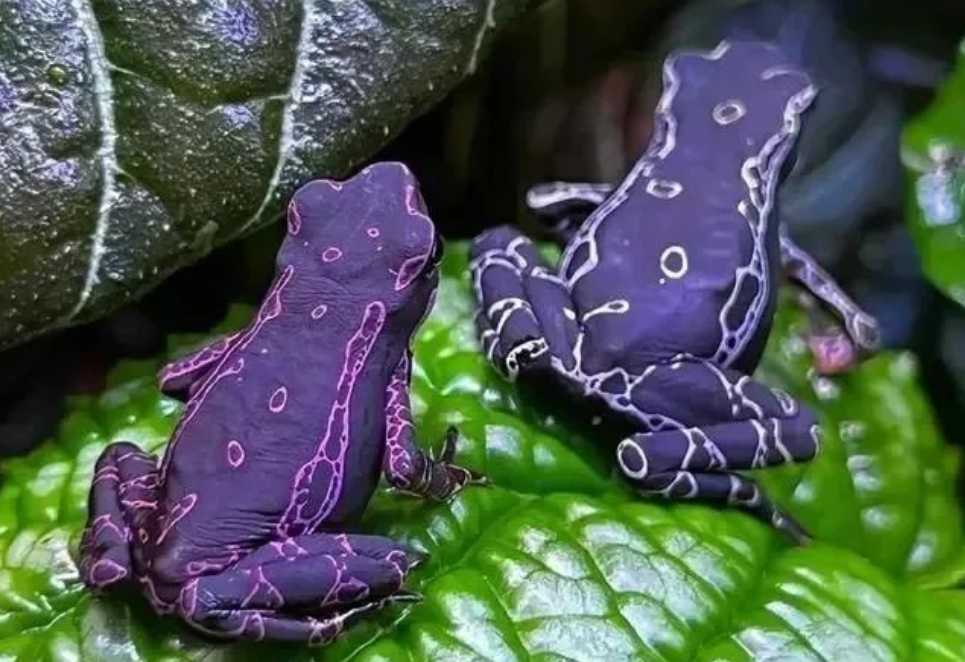
The Enigmatic Purple Harlequin Frog: A Rare Gem of the Amphibian World

Deep within the cloud forests of Central and South America lurks a creature that defies expectations with its vibrant hue and peculiar appearance: the purple harlequin frog. This critically endangered amphibian, characterized by its rich violet coloration interspersed with black and yellow patterns, stands out as both a biological wonder and a symbol of the urgent need for conservation.

Pages