Specialty Insects

Lepidoptera: The Winged Wonders Shaping Ecosystems and Cultural Imagination

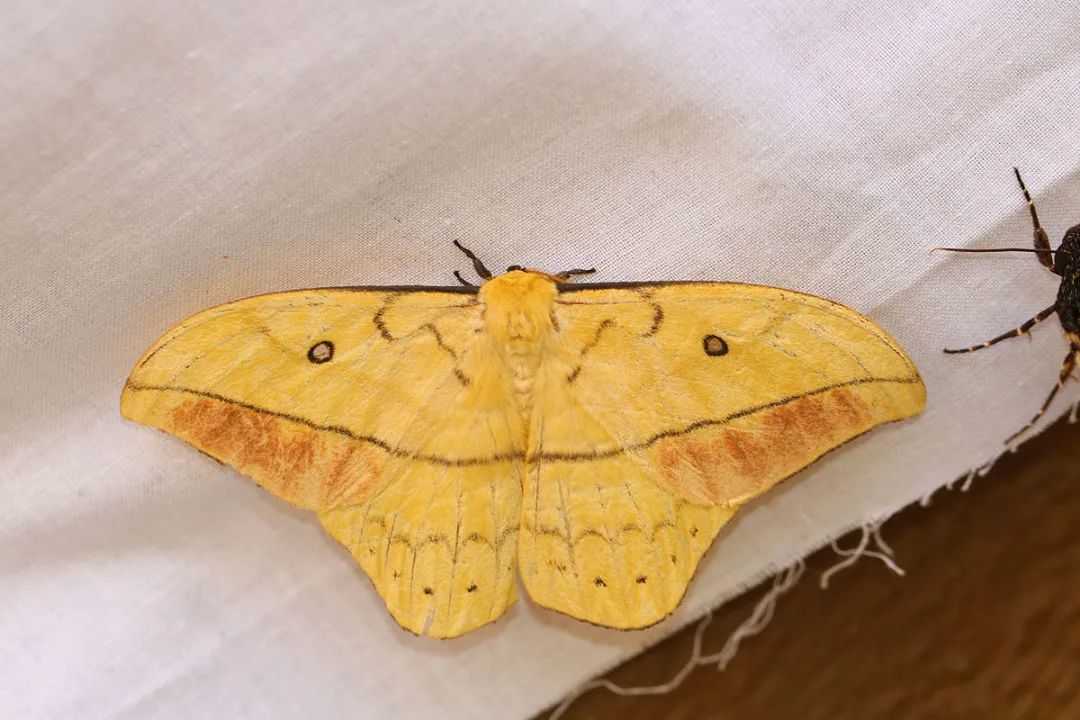
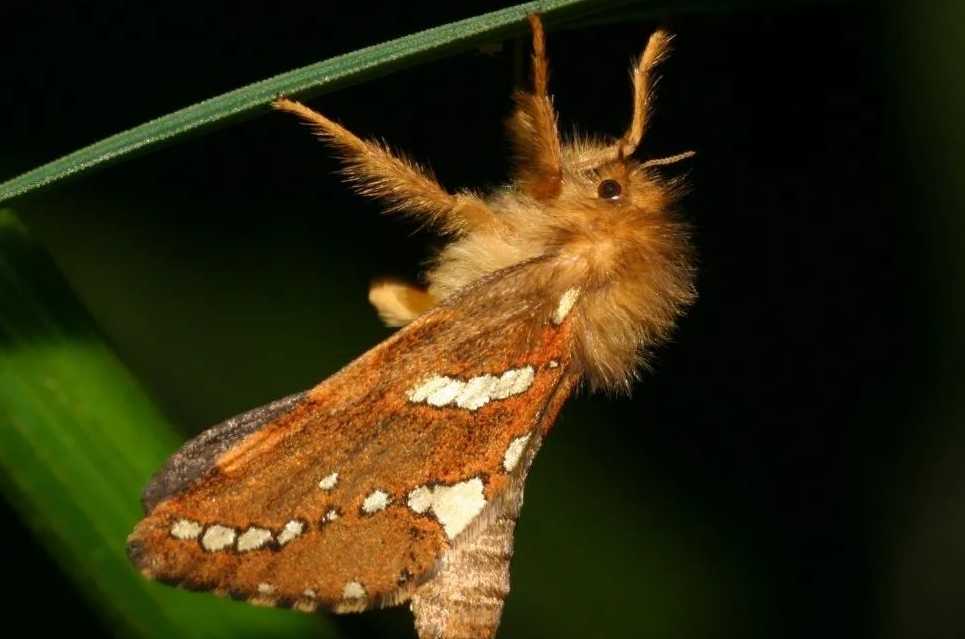
Lepidoptera, an order encompassing butterflies and moths, enchants with its unparalleled diversity and ethereal beauty. With over 180,000 known species worldwide, these insects captivate through their intricately patterned wings, formed by countless overlapping scales. From the vibrant Monarch butterflies migrating across continents to the nocturnal moths camouflaged against tree bark, Lepidoptera's ecological and cultural significance is as vast as their wingspans.

The Mysterious Disappearance of the Nine-Spotted Ladybug

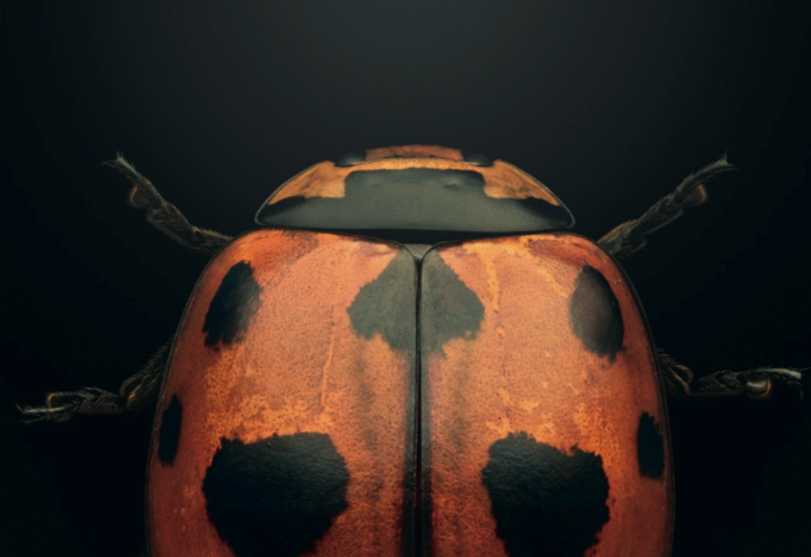
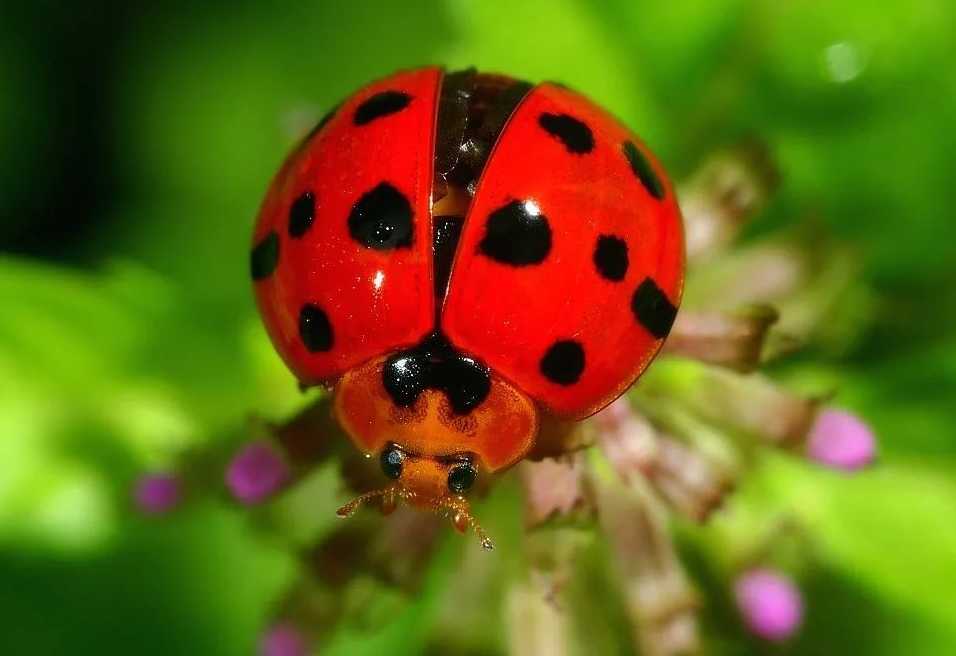
The nine-spotted ladybug, Coccinella novemnotata, once held a place of prominence across North America. In the United States, it was even designated as the official insect of New York State, symbolizing its significance. This species was once widespread throughout the US and Canada, playing a crucial role in the agricultural ecosystem. Famously, it was a voracious predator of aphids and other pest insects, acting as a natural form of pest control and helping farmers safeguard their crops without the heavy use of pesticides.

The Alarming Decline of Monarch Butterflies: A North American Icon at Risk

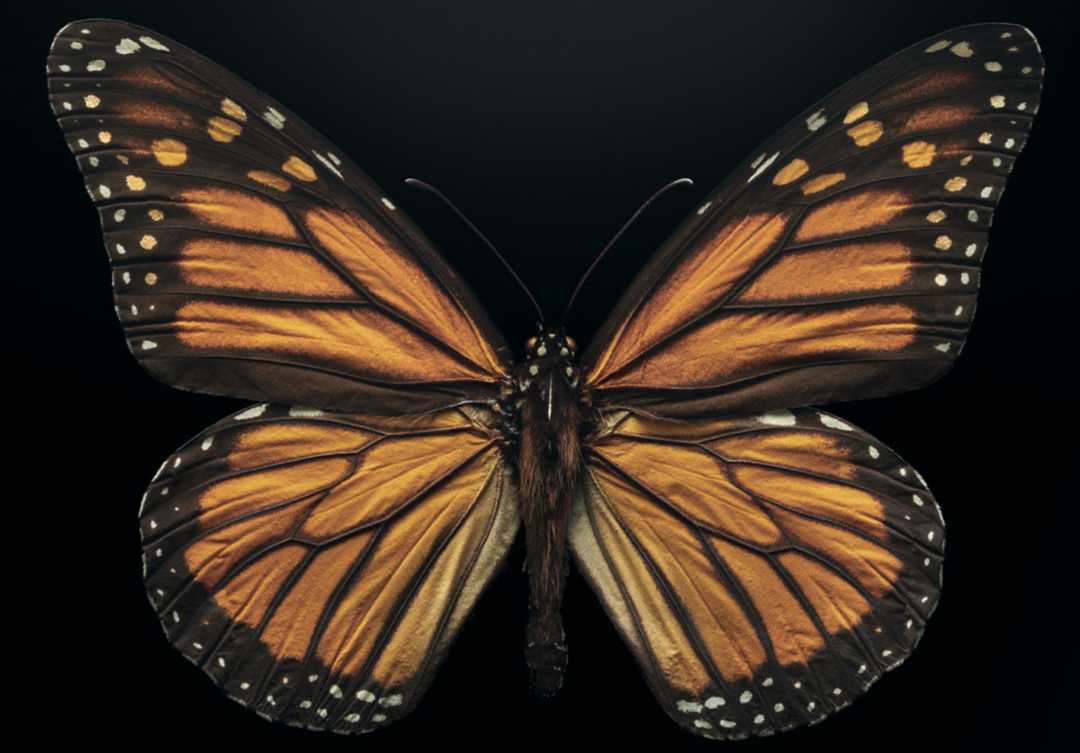
The Monarch butterfly (Danaus plexippus), once a beloved and iconic insect across North America, has been experiencing a continuous and distressing decline in population over recent decades, yet still awaits formal protection. This species, renowned for its spectacular long - distance migrations, has captured the hearts of people with its bright orange and black wings.

Fairyflies: The World's Tiniest Insects with a Mighty Role in Pest Control

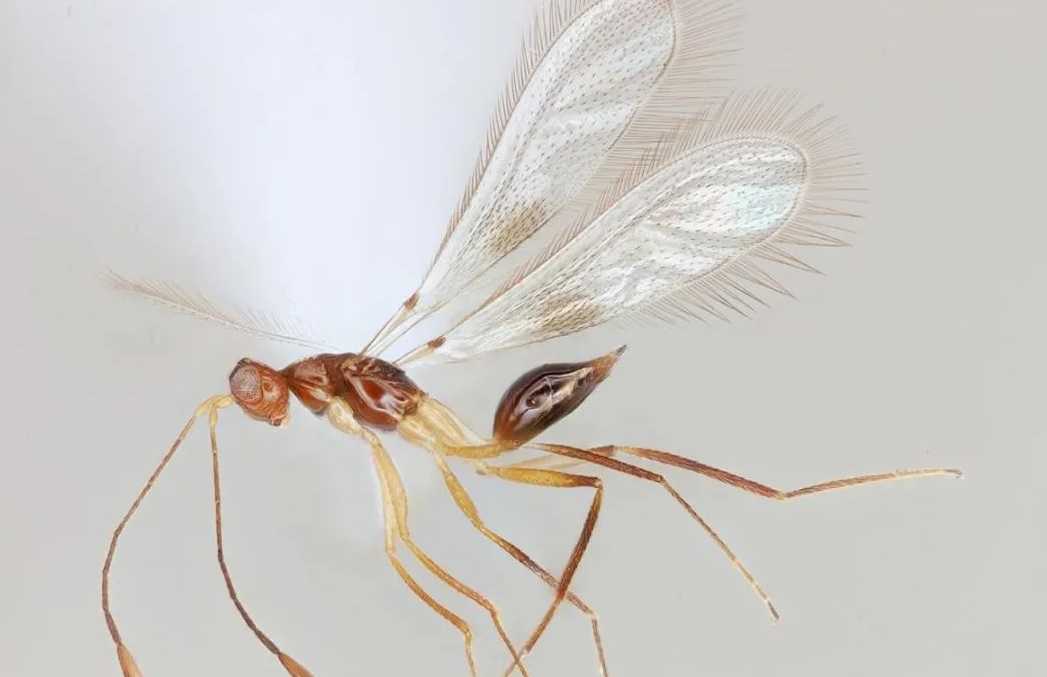
Fairyflies, belonging to the family Mymaridae, hold the title of some of the smallest insects on Earth, measuring a mere 0.2 millimeters in length. These minuscule flyers, smaller than the eye can easily perceive, have evolved an extraordinary lifestyle as parasitic wasps, specializing in a unique ecological niche that benefits both nature and agriculture.

Chironomids: The High - Speed Wing Beaters of Aquatic Ecosystems

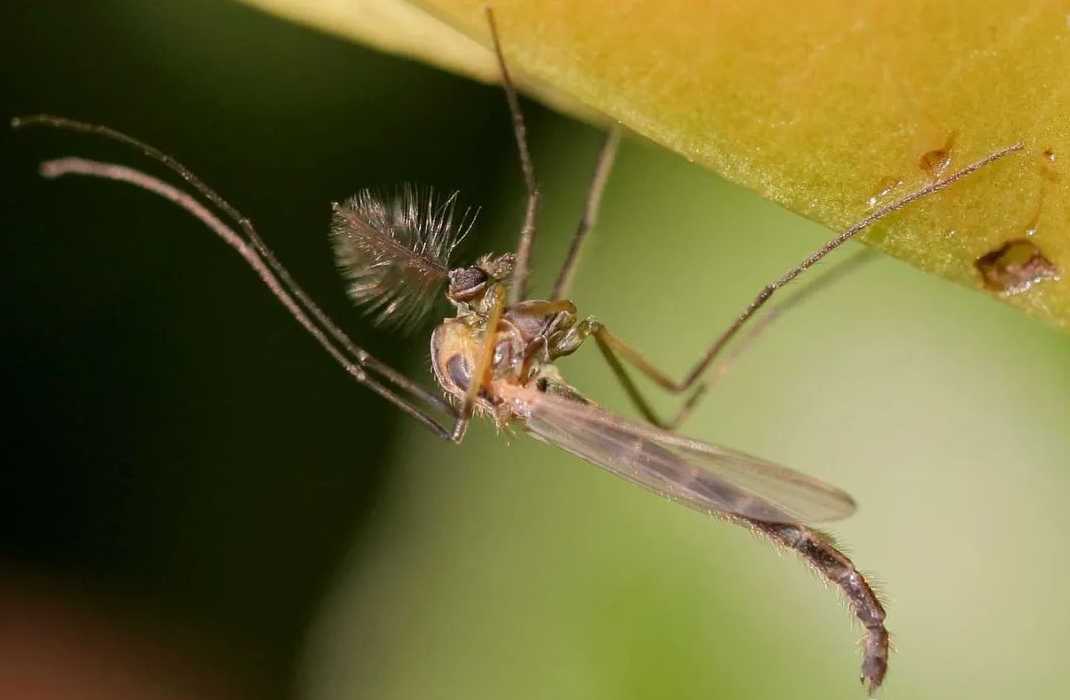
Chironomids, commonly known as non - biting midges, rank among nature’s most astonishing wing beaters, with estimates showing they can flap their wings up to 63,000 times per minute. This incredible frequency, almost too rapid for the human eye to track, highlights their unique adaptation to aquatic environments. Yet their physiological resilience is even more remarkable: when the wing tips are truncated and they’re placed in a warm environment of 99°F (约 37.2°C), their wing beats can surge to a staggering 130,000 times per minute, a testament to their muscular and neural efficiency.

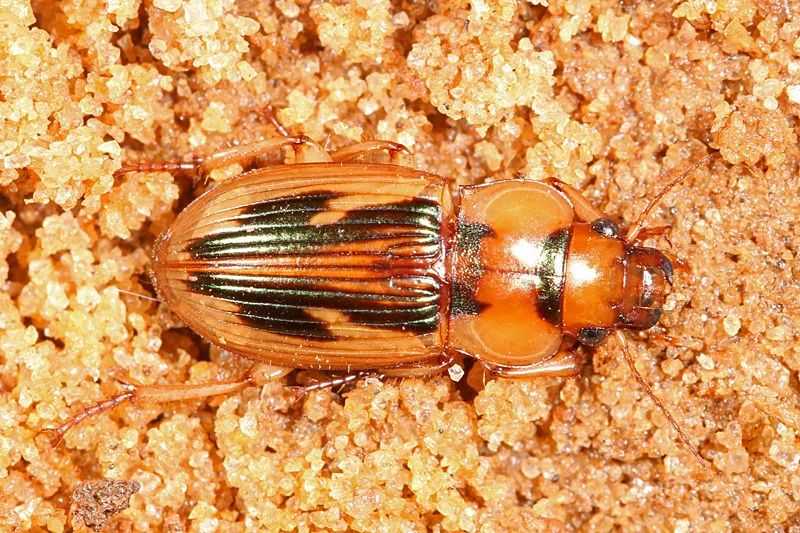
The Namib Desert Beetle (Stenocara gracilipes): Nature's Master of Fog Harvesting

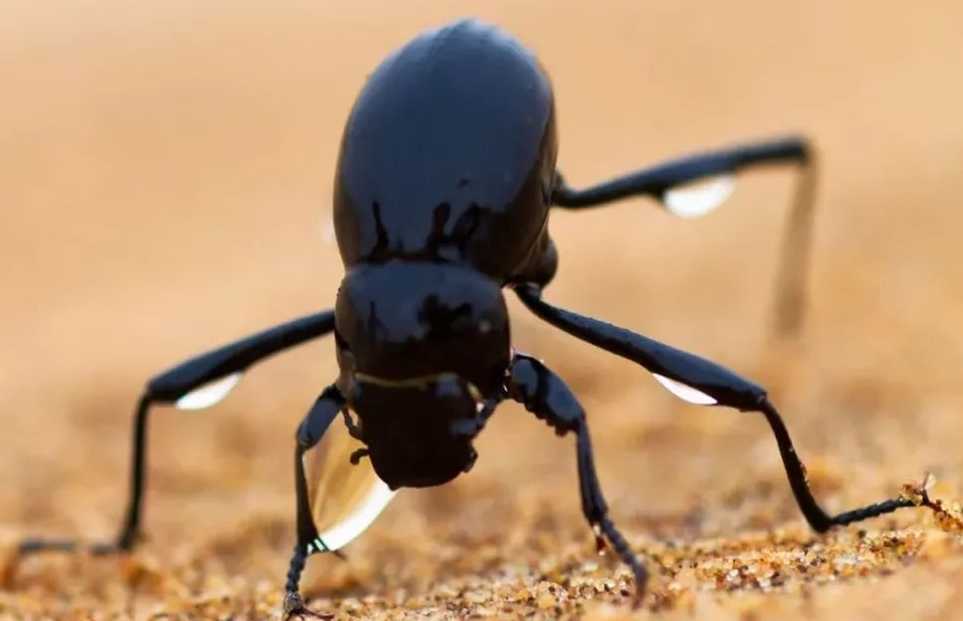
The Namib Desert beetle, Stenocara gracilipes, stands as a testament to evolutionary adaptation in one of Earth’s harshest environments. This coleopteran insect, endemic to the Namib Desert of southwestern Africa, has evolved a remarkable survival strategy: harvesting fog droplets through its uniquely textured elytra, a trait that has inspired groundbreaking biomimetic water-collection technologies.

The Rainbow Stag Beetle (Phalacrognathus muelleri): Nature's Living Jewel

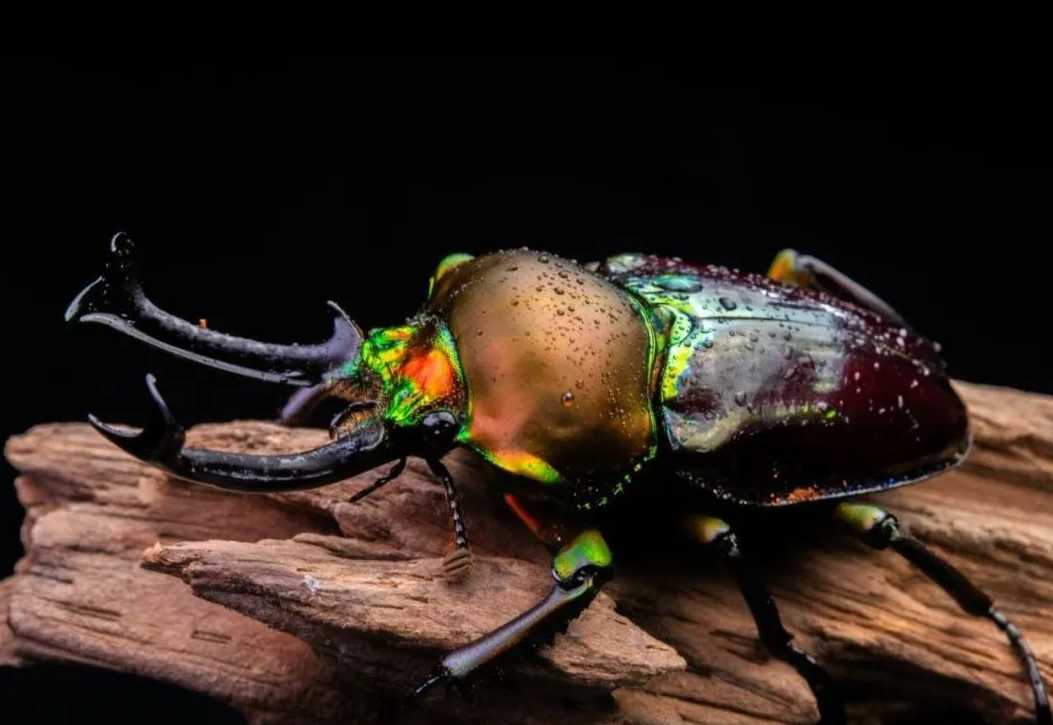
The rainbow stag beetle, Phalacrognathus muelleri, is a biological marvel renowned for its iridescent metallic hues that rival precious gems. Native to the forests of Australia and New Guinea, this coleopteran species has captivated entomologists and pet enthusiasts alike with its structural coloration—a phenomenon produced by microscopic wing surface ridges that refract light into a spectrum of blues, purples, golds, and greens.

Pages